
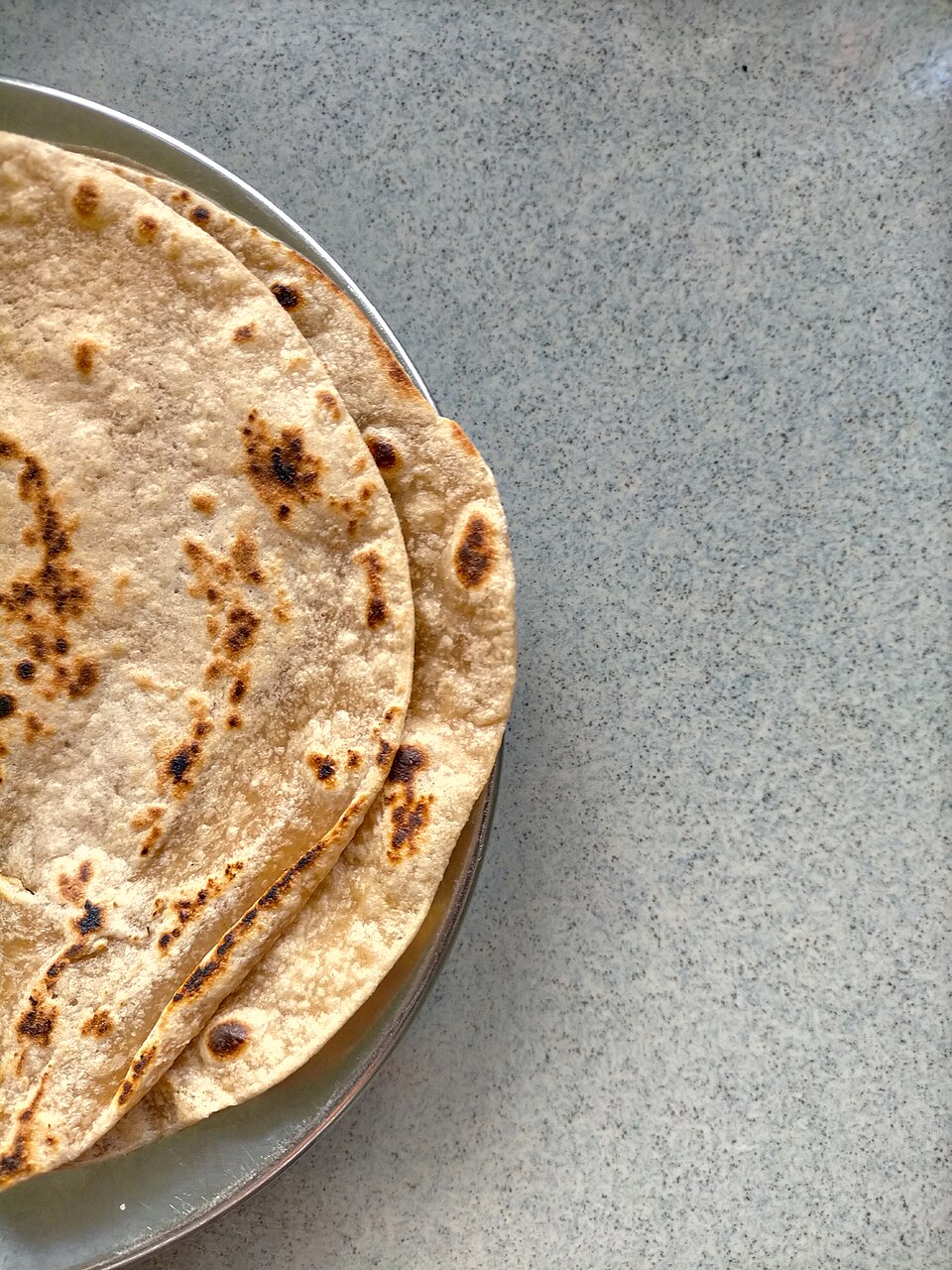
The claim: every desi diet plan says the same thing — "roti chhoro, chawal khao" or "chawal chhoro, roti khao," depending on who's talking. Gym trainers ban rice. Aunties ban roti. Rice is called fattening; roti is called the safe choice; brown rice is marketed as the virtuous upgrade. This is South Asia's biggest food debate, argued daily in kitchens from Karachi to Kolkata — and almost everyone arguing it has never looked at the numbers. We did, and the answer is more interesting than either camp admits.
Before the numbers: understand why this debate is so heated. Roti and rice aren't just foods here — they're identities. Punjab and KP are roti people; Sindh, Bengal and the south are rice people. Telling someone their staple is "fattening" feels like an attack on their culture, so the debate runs on loyalty, not data. Strip the loyalty away and you're left with two grains, both mostly starch, both capable of fitting into a healthy diet — or wrecking one. The difference is in the details.
The numbers, side by side
Per 100g cooked weight, the two are closer than the debate suggests. But per-100g comparisons mislead, because nobody eats 100g of roti the way they eat 100g of rice — so here's both:
| White rice (cooked) | Whole wheat roti | |
|---|---|---|
| Per 100g | ~130 cal, 28g carbs, 0.4g fibre | ~265 cal, 49g carbs, ~7g fibre |
| Per typical serving | 1 cup (150g): ~195 cal, 0.6g fibre | 1 medium roti (40g): ~106 cal, ~2.8g fibre |
| Glycaemic index | ~73 (high) | ~62 (medium) |
| Protein per serving | ~4g | ~3.5g |
| Key micronutrients | Very few (mostly starch) | B-vitamins, magnesium, iron, zinc |
The honest reading: roti usually wins per serving on calories — but that's because the portion is smaller, not because wheat is magic. One medium roti (~106 cal) versus one cup of cooked rice (~195 cal) looks like a clear win until you notice people routinely eat two cups of rice and call it "one serving." The grain matters less than the scoop.
Why roti usually wins (slightly)
Give roti its due — the edge is real, even if it's smaller than roti loyalists claim:
- More fibre: a medium whole-wheat roti carries roughly 4–5x the fibre of a cup of white rice. Fibre slows digestion, feeds gut bacteria, and — most importantly for weight loss — keeps you full longer. Satiety is the whole game in dieting, and fibre is one of its best tools.
- Lower glycaemic index: 62 vs 73 means a gentler blood-sugar rise after eating. For diabetics and pre-diabetics this is genuinely relevant — flatter glucose curves mean better control and fewer hunger crashes later.
- Built-in portion control: you count rotis — one, two, three. There's a natural stopping point. Rice gets scooped from a communal dish, and second scoops are where diets quietly die. The psychology of the serving method matters as much as the nutrition label.
- More micronutrients: whole wheat retains its bran and germ — B-vitamins, magnesium, iron. White rice is milled grain with most of that stripped away. It's not a huge difference per meal, but it compounds over years.
But rice isn't the villain — the global test
Here's the argument that should end the "rice makes you fat" claim forever: East and Southeast Asia eat rice at nearly every meal and historically had far lower obesity rates than wheat-eating regions. Japan, Vietnam, Thailand — rice three times a day, and some of the world's lowest obesity rates until Western fast food arrived. If rice inherently caused obesity, this would be impossible.
What actually differs in those rice-eating cultures? Smaller portions of rice, far more vegetables and fish, less cooking oil, less sugar, more walking. The grain was never the variable — the lifestyle was. Blaming rice for weight gain caused by ghee-laden curries, sugary chai and sedentary days is shooting the messenger.
Rice has genuine advantages too, rarely mentioned in the debate:
- Easier to digest: for sensitive stomachs, IBS sufferers, or recovery from illness, plain rice is gentler than whole wheat. There's a reason hospitals serve khichdi, not parathas.
- Gluten-free by nature: celiac patients and the gluten-sensitive have no choice to make — rice wins by default.
- Cooled rice forms resistant starch: rice that's cooked and then cooled (even reheated after) converts some starch into "resistant starch" — which behaves more like fibre: fewer absorbable calories, better for gut bacteria, lower glucose spike. A real, measurable effect.
- Fuel for activity: for athletes and manual labourers, rice's fast-digesting carbs are a feature, not a bug — quick energy when you actually burn it.
Brown rice, red rice, parboiled — is the upgrade worth it?
Health stores charge double for brown rice, so let's check the receipt. Brown rice keeps its bran: per cup, roughly 3.5g fibre vs 0.6g in white, a GI of ~68 vs ~73, and more magnesium and B-vitamins. Parboiled (sela) rice sits between the two. These are real improvements — but modest ones. No trial shows brown rice producing meaningfully more weight loss than white rice when portions are equal. The fibre gain is genuine but small compared to just adding a bowl of sabzi.
The honest advice: if you like brown rice and can afford it, it's a slightly better grain. But switching from 2 cups of white rice to 2 cups of brown rice while changing nothing else will not move your weight. Portion control beats grain colour every time. And one caution: brown rice's bran also concentrates arsenic (see "who should be careful" below) — another reason not to treat it as a magic upgrade.
The real answer: it's the plate, not the grain
Weight loss comes down to one unglamorous fact: eating fewer calories than you burn, consistently, for months. No grain choice overrides that. Here's what actually decides whether your staple helps or hurts:
- Portion size decides everything. Two rotis ≈ one and a half cups of rice in calories. Most people who "eat less roti but lots of rice" — or vice versa — are fooling themselves with the serving method. Measure for one week and you'll be shocked.
- What surrounds the grain matters more. The salan's oil, the dal's tarka, the raita, the second helping of curry — these swing a meal's calories far more than the roti/rice choice. A measured cup of rice with dal, sabzi and salad beats three ghee-soaked rotis with oily salan and no vegetables, every single time.
- Cooking fat is the silent killer. A roti brushed with ghee gains 40–50 calories. Rice fried in oil gains far more. Parathas — delicious, beloved parathas — can carry double a plain roti's calories. The "roti is healthy" claim assumes plain roti; the moment it's a paratha, the math changes.
- Liquid calories and snacks count. People who obsess over roti-vs-rice while drinking 3 sugary chais and evening samosas are rearranging deck chairs. Fix the big leaks first.
- For diabetics: roti (or brown/parboiled rice) is the safer default — lower GI and better glucose control in trials. But even rice works if the portion is measured and paired with protein, fibre and vegetables, which flatten the spike.
How to use your staple right
- The roti template: 2 medium whole-wheat rotis (no ghee, or a teaspoon at most), a generous bowl of sabzi or salad (half the plate), a palm-sized protein portion (dal, chicken, eggs), and measured oil in cooking. This is a genuinely weight-loss-friendly meal.
- The rice template: 1 measured cup of cooked rice (use a measuring cup for a week until your eye learns), double the vegetables you'd normally take, dal or lean protein on the side. Cook extra rice, refrigerate overnight, reheat — the resistant-starch bonus is free.
- Mix through the week: there's no rule saying you must pick one forever. Roti at lunch, rice at dinner — or rice on training days, roti otherwise. Variety also gives you a broader nutrient mix.
- Eat the vegetables first: starting the meal with salad or sabzi measurably reduces how much staple you then eat. The simplest appetite trick in nutrition.
- Watch the "healthy" traps: missi roti, parathas, fried rice, biryani — these are festival foods wearing a staple's clothes. Enjoy them, but don't count them as your daily grain.
Who should be careful
- Diabetics and pre-diabetics: favour roti or parboiled/brown rice, keep portions measured, and always pair grains with protein and vegetables. White rice in large, lonely portions is the worst pattern — big spike, quick crash, more hunger.
- Gluten issues: wheat roti is off the table for celiac disease (a serious autoimmune condition, not a fad) — rice becomes the staple by necessity. Don't self-diagnose; get tested if you suspect it.
- Arsenic in rice: rice absorbs arsenic from soil and water more than other grains. The risk from normal consumption is low, but reduce it anyway: rinse rice well, cook in plenty of water and drain, and vary your grains through the week instead of rice at every meal. This matters most for young children.
- Kidney patients and others on potassium restriction: brown rice's extra minerals include extra potassium — usually a plus, but check with your doctor if you're restricted.
- Anyone "quitting" a staple entirely: extreme bans usually end in rebound bingeing. A sustainable measured portion beats a dramatic quit that lasts eleven days.
Quick questions
How many rotis per day for weight loss?
Two to three medium whole-wheat rotis across the day fits most weight-loss plans — with generous sabzi or dal, a protein portion, and controlled cooking fat. The vegetables matter more than the exact roti count.
Is brown rice worth switching to?
Modestly. More fibre and nutrients than white rice, slightly lower GI. But portion control matters far more than the colour of the rice — and brown rice concentrates more arsenic, so vary your grains.
Should I quit rice completely to lose weight?
No. Total bans usually end in rebound overeating. A measured cup of rice in a balanced, vegetable-heavy meal is perfectly compatible with weight loss — all of East Asia is the proof.
Which is better for diabetics — roti or rice?
Roti (whole wheat) is the safer default: lower GI and better glucose control in trials. If you prefer rice, choose parboiled or brown, keep it to a measured cup, and always pair it with protein and vegetables to flatten the spike.
Does cooling rice really make it healthier?
Yes, measurably. Cooking and cooling rice forms resistant starch, which lowers the absorbable calories and the glucose spike, and feeds gut bacteria. Reheating keeps most of the benefit. It's a free upgrade — cook extra, refrigerate, reheat.
Are parathas as healthy as roti?
No — a ghee/oil-fried paratha can carry roughly double the calories of a plain roti. They're delicious festival food, not a daily weight-loss staple. If you love them, have them occasionally and count them honestly.
What about quinoa or oats instead of both?
Both are excellent — more protein and fibre than either roti or rice. But they're expensive in Pakistan and unfamiliar to most families. The best staple is the affordable one you'll eat consistently in measured portions, not the exotic one you quit in a month.