
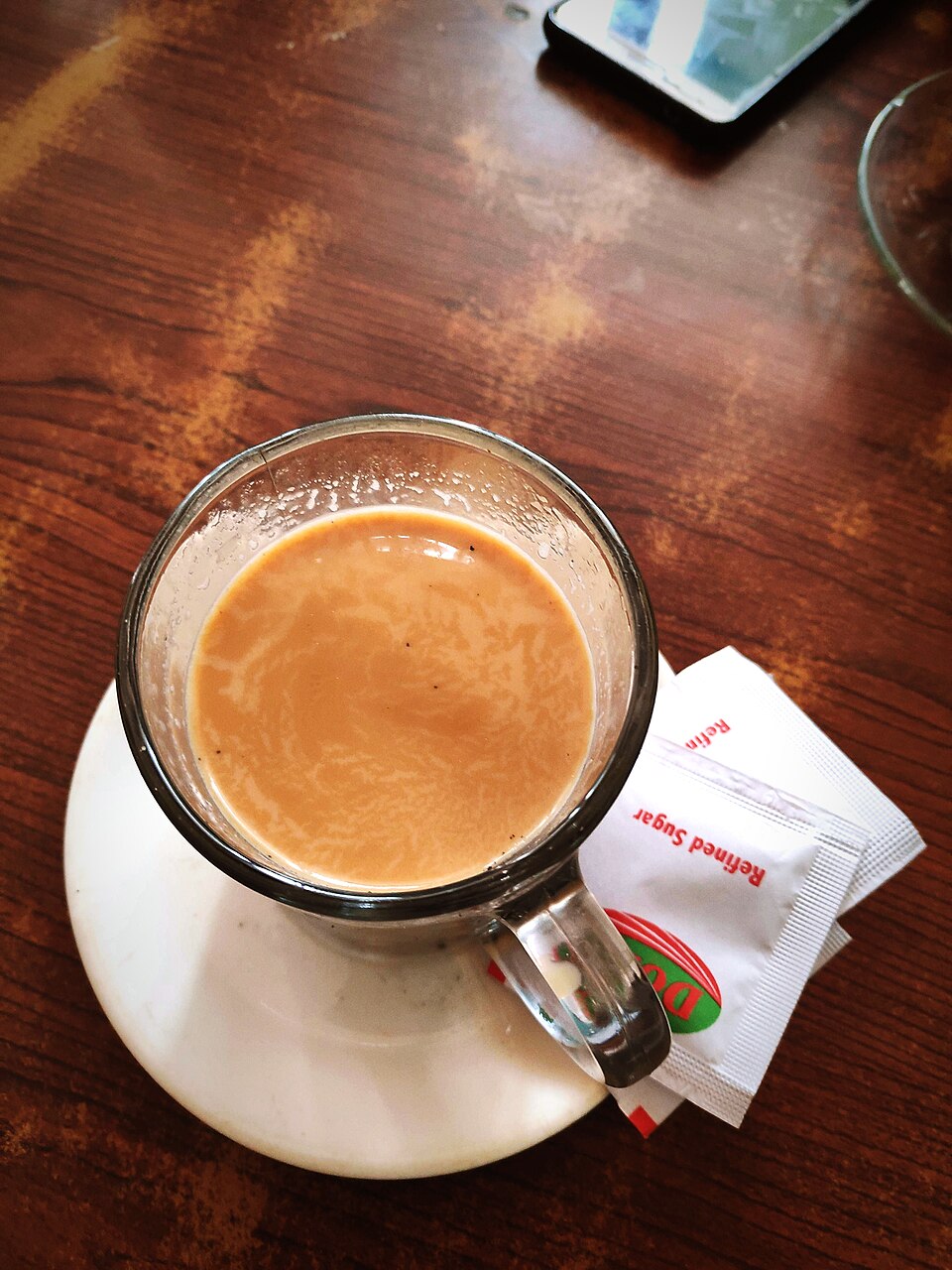
The claim: doodh patti is either Pakistan's harmless national comfort drink — or a slow poison of sugar, caffeine and "acidity." Ask five people, get five verdicts: the dhaba regular swears by it, the gym trainer bans it, the grandmother prescribes it for every ailment, and the doctor warns about the sugar. With millions of cups brewed daily from Karachi to Khyber — at dhabas, offices, weddings and drawing rooms — it's arguably the country's most-consumed beverage after water. So it's worth doing properly: what does the science actually say about milk tea?
The first thing to understand is that "doodh patti" isn't one thing — it's three ingredients pulling in different directions. The tea is genuinely beneficial. The milk is mostly neutral-to-good. The sugar is the problem. Nearly every argument about doodh patti confuses these three, praising or condemning the cup as a whole. Separate them, and the picture becomes clear — and the fix becomes simple.
What's actually in the cup
A typical 250ml doodh patti from a dhaba or home kitchen contains:
- Caffeine: 30–50mg — roughly half a cup of coffee, but it adds up fast across 3–4 cups. Also L-theanine, the amino acid that gives tea its calm alertness.
- Sugar: 2–3 teaspoons (~8–12g) per cup at most dhabas — some go to 4. This is the ingredient that decides whether your chai habit is harmless or harmful.
- Full-cream milk: ~100–150 calories per cup, with protein, calcium, and saturated fat.
- Tea polyphenols: theaflavins and catechins — the antioxidant compounds behind tea's health reputation. Yes, they survive the milk (more below).
- Fluoride and manganese in small amounts from the tea leaves themselves.
Multiply by habit: the average Pakistani chai drinker has 3–4 cups a day. That's 120–200mg caffeine, 300–600 milk calories, and 6–12 teaspoons of sugar — before a single bite of food. Now let's judge each part.
The tea part: genuinely good
Black tea is one of the most studied beverages in nutrition science, and the results are consistently favourable:
- Heart and stroke: large population studies link 2–3 cups of black tea daily to lower rates of heart disease and stroke, with better blood-vessel function (the vessels relax more easily) and modestly lower blood pressure. The effect sizes are small per cup but meaningful across populations and decades.
- Focus without jitters: tea's caffeine-plus-L-theanine combination is well studied — alertness and attention improve, with less of the jittery edge coffee can give. It's a big reason chai feels like "freshness" rather than a buzz.
- Longevity: very large cohort studies (hundreds of thousands of people followed for years) find regular tea drinkers have slightly lower overall mortality. The effect is modest and partly reflects healthier lifestyles, but it points in one direction: tea is not harming you.
- Gut and metabolism: emerging research suggests tea polyphenols modestly benefit gut bacteria and may slightly improve fat metabolism — early days, but promising.
And the famous objection — "milk cancels tea's antioxidants" — is mostly myth. Early lab studies suggested milk proteins bind polyphenols, but human trials find the antioxidants are still absorbed and the vascular benefits persist in milk-tea drinkers. The large Asian cohort studies showing tea benefits were largely conducted on milk-tea-drinking populations. Your doodh patti keeps the tea's goodness.
The sugar part: the real problem
Here's where doodh patti goes wrong — and it's entirely fixable. Two to three teaspoons per cup doesn't sound dramatic until you do the habit math: 4 cups × 2.5 teaspoons = 10 teaspoons of added sugar a day from chai alone. The WHO's recommended limit for added sugar is about 6 teaspoons for the entire day, from all sources. The average heavy chai drinker doubles that before breakfast is over.
What does that sugar load do, cup after cup, year after year?
- Weight gain: liquid sugar calories barely register as fullness — your body doesn't "count" them the way it counts food. 400+ unnoticed calories a day is a direct path to gradual weight gain.
- Type-2 diabetes risk: sugary-drink consumption is one of the most consistent dietary predictors of diabetes in large studies. Pakistan already has one of the world's highest diabetes rates; the chai-sugar habit is part of that story.
- Fatty liver: excess fructose (half of table sugar) heads straight to the liver, driving non-alcoholic fatty liver disease — now common even in non-drinkers.
- Teeth: dentists in Pakistan will tell you — constant sugary chai is brutal on teeth. The damage is silent until it isn't.
The crucial insight: none of this is the tea's fault. It's the spoon. Change the spoon and you keep the comfort while removing most of the harm.
Caffeine: moderate per cup, but timing is everything
At 30–50mg per cup, doodh patti is gentler than coffee — but nobody drinks one cup. Four cups totals 120–200mg, a full coffee's worth or more, and here's what most people don't know: caffeine's half-life is about 5–6 hours. That 8pm cup is still half-active at 1–2am. It doesn't just delay sleep — it fragments it, cutting deep sleep even when you do doze off.
Poor sleep from late chai is one of the most common and most ignored health effects in Pakistan. The pattern is familiar: evening chai for "freshness," scrolling until 1am, groggy morning, morning chai to compensate — a caffeine-debt cycle where each cup borrows energy from tomorrow. If you sleep badly and drink evening chai, the chai is suspect number one.
The rule: stop chai 6–8 hours before bed. Sleeping at 11pm? Last cup by 3–4pm. Morning and early-afternoon chai is fine for most people; evening chai is a sleep tax. And note the withdrawal trap — daily heavy drinkers who skip chai get headaches and irritability, which feels like "needing" chai but is really dependence. Cutting back gradually avoids it.
The milk part: mostly fine, calories aside
Milk in chai gets blamed for everything from "mucus" to weight gain. The evidence:
- Protein and calcium: a real contribution — each cup adds ~8g protein and meaningful calcium, useful in a country where many diets run short on both.
- Calories: full-cream milk adds ~100–150 calories per cup. Across 4 cups, that's a small meal's worth. Switching to low-fat milk (or simply less milk, stronger brew) cuts this without losing the ritual.
- Saturated fat: at these quantities, the saturated fat in chai milk is a minor concern compared to the sugar — don't let it distract you from the spoon.
- "Milk causes mucus/phlegm": no good evidence. The sensation is the milk's texture coating the mouth, not extra mucus production. Asthma and allergy associations are weak and inconsistent.
- Lactose intolerance: genuinely common in South Asia. If chai gives you bloating or discomfort, lactose — not the tea — is the likely culprit. Lactose-free milk or smaller quantities solve it.
The famous claims — acidity, iron, bones
- "Chai causes acidity": partly true, mostly overstated. Strong tea on an empty stomach can irritate sensitive stomachs, and very strong brews can worsen acid reflux in prone people. But for most people drinking chai with food or after breakfast, it's a non-issue. The fix is timing and strength, not quitting.
- "Chai blocks iron": true — and underrated. Tea tannins bind non-heme iron (the kind in dal, spinach, cereals) and can cut iron absorption from a meal by 60% or more. This matters enormously in Pakistan, where anaemia — especially among women — is widespread. The rule is simple and non-negotiable: don't drink chai with meals; wait at least an hour after eating. That one habit change protects the iron in your food. Adding lemon (vitamin C) to meals helps absorption too.
- "Doodh patti weakens bones": no good evidence. Caffeine slightly increases calcium excretion, but at chai-level doses the milk's calcium far outweighs it. Tea drinkers in large studies don't show worse bone density — if anything, slightly better.
- "Chai dehydrates you": myth. Tea's mild diuretic effect is more than offset by the water in the cup. Chai hydrates you. Full stop.
- "Chai is addictive": partially true. Caffeine dependence is real but mild — headaches and grogginess for a few days when quitting. It's dependence, not addiction in the serious sense, and tapering down avoids it.
How to drink it right — the healthier doodh patti
You don't need to quit chai. You need to fix the three things that make it harmful:
- Fix the sugar — gradually. Don't jump from 3 spoons to zero; you'll hate it and rebound. Drop by half a spoon every week or two. Taste buds genuinely adapt — within a month, your old sweetness level will taste sickly. Target: half a teaspoon or zero. Spices (below) make the transition easier.
- Fix the count: 2–3 cups a day is the sweet spot where tea's benefits show up in studies. Beyond 4, you're mostly accumulating sugar, calories and caffeine debt.
- Fix the timing: nothing after mid-afternoon (6–8 hours before bed), and never with meals — keep a one-hour gap to protect iron absorption. Morning chai after some food beats chai on an empty stomach for sensitive stomachs.
- Upgrade the cup: elaichi (cardamom), adrak (ginger), and darcheeni (cinnamon) add flavour that compensates for less sugar — and each carries mild evidence of benefit (ginger for digestion, cinnamon for glucose). They don't cancel sugar, but they make reducing it painless. Use a stronger brew with slightly less milk to cut calories while keeping the "patti" character.
- At the dhaba: ask for "cheeni kam" — half sugar. Dhaba chai is typically the sweetest; one request halves your biggest source. Or order it "pheeki" and add your own half-spoon.
Who should be careful
- Pregnant women: keep total caffeine under ~200mg/day (about 4 small cups of doodh patti — but count coffee and chocolate too). Excess caffeine is linked to lower birth weight. When in doubt, fewer cups.
- Anaemic people (especially women): the iron-blocking effect is your biggest issue — the one-hour gap from meals is essential, not optional. Get your haemoglobin checked; don't just drink more chai for "energy."
- Diabetics: the tea is fine, even helpful — the sugar is the enemy. Switch to zero-sugar chai (spices help) and count the milk's carbs if you're strict.
- Acid reflux / GERD sufferers: strong, milky, late-night chai is a classic trigger. Weaker brew, earlier in the day, and never on an empty stomach.
- Insomniacs and the anxious: if you sleep badly or feel jittery, cut afternoon chai first before reaching for sleeping pills. Caffeine sensitivity varies hugely — some people genuinely can't do any after noon.
- Kidney-stone formers: black tea contains oxalates; heavy tea intake (5+ strong cups daily) is linked to higher stone risk in susceptible people. Moderate intake is fine.
- Young children: chai displaces milk and food, adds sugar and caffeine a growing body doesn't need. A small milky cup occasionally is cultural; multiple daily cups is a habit to avoid building.
Quick questions
Is doodh patti better than coffee?
Lower caffeine per cup and gentler on most stomachs — but dhaba chai usually carries far more sugar than coffee. A black coffee beats a 3-spoon doodh patti; a low-sugar doodh patti beats a sugary frappuccino. Compare the sugar, not just the drink.
Does adding elaichi or adrak make it healthier?
Slightly — cardamom, ginger and cinnamon add flavour plus mild evidence of benefit (digestion, glucose). But they don't offset 3 teaspoons of sugar. Use spices to make less sugar taste like enough.
How late is too late for chai?
Stop 6–8 hours before bed — caffeine's half-life is ~5–6 hours. Sleeping at 11pm? Last cup by 3–4pm. If you sleep badly, move the cutoff even earlier for two weeks and watch what happens.
Why shouldn't I drink chai with meals?
Tea tannins can cut iron absorption from your food by 60% or more — a serious issue where anaemia is common. Wait at least an hour after eating. Your dal's iron will thank you.
Is green tea healthier than doodh patti?
The tea itself is comparable — both come from the same plant. Green tea has slightly more catechins and less caffeine; doodh patti has milk's protein and calcium. The deciding factor is almost always the sugar: unsweetened green tea beats 3-spoon doodh patti, but low-sugar doodh patti is perfectly healthy.
Can I drink doodh patti while pregnant?
In moderation — keep total caffeine under ~200mg/day from all sources (roughly 4 small cups, but count coffee too). Go easy on the sugar as well, and discuss it with your doctor.
Does chai really cause acidity?
For most people, no — especially with food. Strong tea on an empty stomach can irritate sensitive stomachs and worsen reflux in prone people. Weaker brew, after breakfast, earlier in the day: problem usually solved.
How do I cut chai sugar without hating it?
Reduce by half a spoon every 1–2 weeks — taste buds adapt, and your old level will soon taste too sweet. Add elaichi, adrak or cinnamon for flavour, and brew it stronger so it doesn't taste "thin." Most people reach half-spoon or zero within a month.