
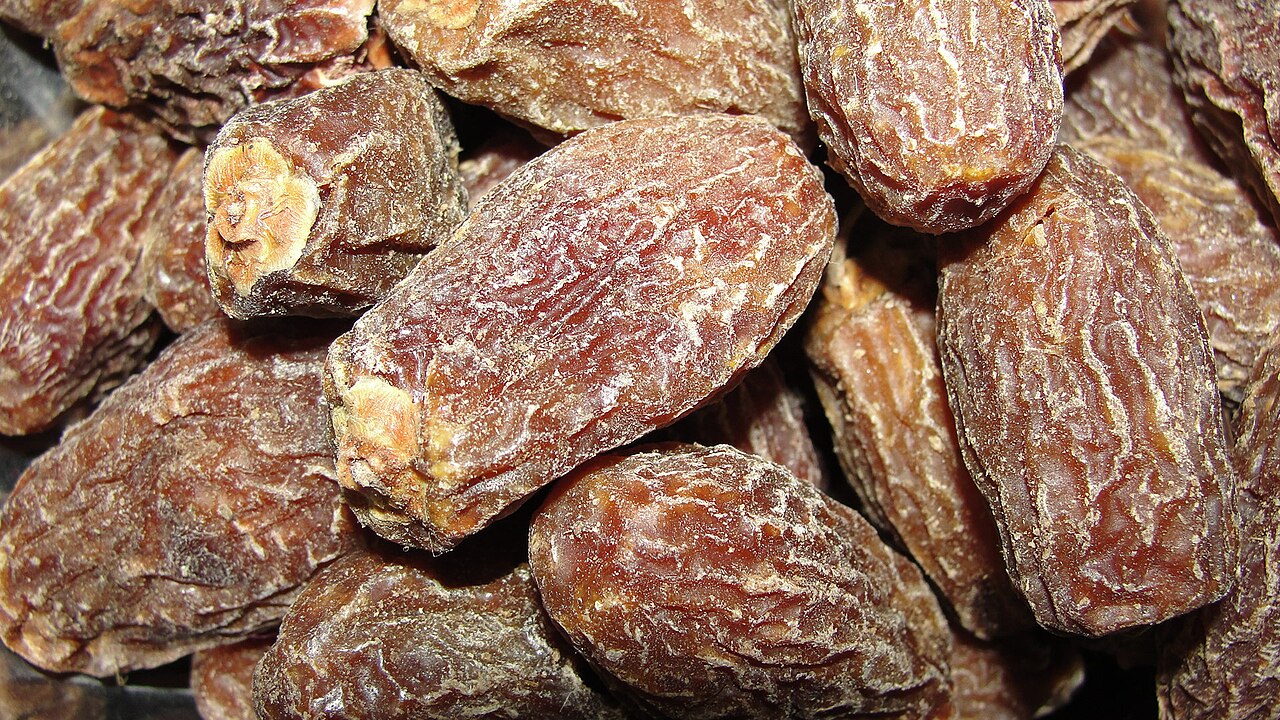
The claim: dates are "nature's candy" — a wholesome energy food blessed by tradition — and at the same time, diabetics are warned to stay far away from them. In South Asia and the Middle East, the khajoor is Ramadan's fuel, a symbol of hospitality, and a daily staple. In Western wellness circles, it's a "superfood." In diabetes clinics, it's a red flag. So which is it: healthy tradition or a sugar bomb in disguise?
Both extremes are marketed hard. Health-food brands sell date syrup as a "natural, low-GI" sweetener and date bars as clean energy. Meanwhile, well-meaning relatives tell every newly diagnosed diabetic to give up dates entirely — often while serving them sugary chai and biscuits. The truth, as usual, is more interesting than either slogan, and it starts with being honest about the numbers.
In this investigation: exactly how much sugar is in a date, what the glycaemic research really shows, what small trials in diabetics found, why the Ramadan tradition makes scientific sense, and the portion rules that decide whether dates are a tonic or a trap.
The numbers (let's be blunt)
Dates are roughly 70% sugar by weight — one of the sweetest whole foods on earth. Here's how the common varieties compare:
| Per 100g | Medjool | Deglet Noor | Ajwa |
|---|---|---|---|
| Calories | ~277 | ~282 | ~280 |
| Total sugars | ~66g | ~63g | ~65g |
| Fibre | ~6.7g | ~8g | ~7g |
| Potassium | ~696mg | ~656mg | ~650mg |
| Magnesium | ~54mg | ~43mg | ~50mg |
| Iron | ~0.9mg | ~1mg | ~1mg |
One large Medjool date (~24g) packs about 67 calories, 18g of carbohydrates and 16g of sugar — genuinely more sugar per bite than a fun-size chocolate bar. That is the fact the "nature's candy" crowd would rather skip.
But the sugar doesn't arrive alone. That same date carries 1.6g of fibre, plus potassium, magnesium, B vitamins and polyphenol antioxidants — a nutritional profile candy can only dream of. Fibre and polyphenols slow sugar absorption, which is why dates behave very differently in the body than the same grams of glucose syrup. Both facts are true at once: dates are sugar-dense and nutrient-dense. Which one matters more depends entirely on how many you eat.
The sugars themselves are mostly glucose and fructose in roughly equal measure — the same pair found in honey and table sugar — plus small amounts of sucrose in some varieties. There's nothing exotic about date sugar. The "natural" label doesn't change what it does to your blood glucose; the fibre package around it does.
What the glycaemic index actually shows
Published glycaemic index (GI) values for dates range from the 40s to the 70s depending on variety and ripeness — Deglet Noor sits at the lower end, Medjool higher, and very soft, fully ripe dates higher still. In plain terms: medium glycaemic impact, not the sky-high spike people assume from something that's 70% sugar.
Why isn't it higher? Two reasons. First, roughly half the sugar is fructose, which barely moves blood glucose directly (the liver handles it separately). Second, the fibre and polyphenols slow the whole digestive process. GI also ignores the most important variable: serving size. The glycaemic load of 1–2 dates is modest because you're eating 15–30g of sugar, not 100g. Glycaemic load is what your blood sugar actually experiences — and it's the number the fear-mongers never mention.
Dates and diabetes: what the trials found
This is the question that matters most to millions of readers, so let's be careful and complete. Small clinical trials in people with type 2 diabetes who ate a few dates daily found that blood sugar control did not worsen — and in some cases markers slightly improved when dates replaced other sweets in the diet. The proposed reasons: the fibre slows absorption, the polyphenols may modestly improve insulin sensitivity, and replacing a biscuit with a date is simply a better trade.
Now the honest caveats, because they matter enormously:
- The trials were small and short — dozens of people over weeks, not thousands over years. They suggest safety at small portions; they don't prove benefits, and they give nobody a licence to eat a whole box.
- Portion is the whole game. 1–2 dates behave like a piece of fruit. Ten dates behave like a dessert — roughly 40g+ of sugar hitting at once.
- Individual responses vary. Some diabetics spike noticeably from dates; others barely move. A glucose meter (or continuous monitor) gives a personal answer no study can.
The practical guidance diabetes educators give: count dates as a carbohydrate serving (one Medjool ≈ 15–18g carbs, roughly one "carb exchange"), keep it to 1–2 at a time, eat them with or after a meal rather than alone, and pair with nuts, yogurt or cheese to blunt the spike further. Dates are not forbidden — they're budgeted.
The Ramadan angle is real
Breaking a fast with dates is one of those traditions science quietly backs. After 12+ hours without food, the body needs three things fast: glucose to restore blood sugar, potassium and magnesium lost through the day, and something gentle on an empty stomach. A date delivers all three in two bites — plus enough fibre to avoid the violent spike-and-crash of juice or sweets.
Compare it with what often follows iftar instead: deep-fried samosas and pakoras, sugary drinks, then a heavy meal. The date at the start is the healthiest part of many iftar tables. Tradition got this one right — though tradition never said "eat twenty of them," and the modern habit of date-stuffed-everything desserts at Ramadan has drifted far from the original wisdom.
Heart, blood pressure and bones
Dates' potassium content — around 650–700mg per 100g — is genuinely significant. Higher potassium intake is linked in large reviews to lower blood pressure and reduced stroke risk, and most adults fall well short of recommended intake. A few dates a day make a real dent in the gap.
The polyphenol antioxidants (flavonoids, carotenoids, phenolic acids — Ajwa dates have the most research behind them here) show anti-inflammatory and antioxidant activity in lab studies. Lab studies aren't human outcomes, so don't oversell this — but dates are legitimately among the more antioxidant-dense dried fruits, roughly comparable to berries per gram.
Dates also supply small but useful amounts of magnesium, manganese, copper and vitamin B6 — all involved in bone metabolism and energy production. They're not a bone-health superfood, but as part of a varied diet they contribute.
Gut health and the fibre factor
At 7–8g of fibre per 100g, dates are a solid fibre source — mostly insoluble fibre, the kind that adds bulk and keeps things moving. In a region where refined flour dominates, a few dates a day is a meaningful fibre upgrade. Some research also suggests date fibre acts as a mild prebiotic, feeding beneficial gut bacteria — early evidence, plausible mechanism, worth watching rather than celebrating.
One caution inside the benefit: that same fibre, combined with the sugar alcohols (sorbitol) naturally present in dates, can cause bloating and gas in sensitive people — particularly those with IBS or fructose malabsorption. If dates reliably bloat you, the fibre isn't the problem; your gut's tolerance is. Smaller portions or a different fruit may suit you better.
Dates in late pregnancy: the surprising claim
You may have heard that eating dates in the last weeks of pregnancy eases labour. This one has actual trials behind it — a few small studies in which women ate around six dates daily in late pregnancy had somewhat shorter labours and less need for induced interventions. The proposed mechanism involves compounds in dates that mimic oxytocin, the hormone driving contractions.
Be appropriately cautious: the trials are small, the effect is modest, and "six dates a day" is a lot of sugar for anyone watching gestational blood sugar. It's a fascinating, plausible finding — not a prescription. Pregnant readers should discuss it with their own doctor or midwife rather than self-prescribing.
Date syrup and "natural" sweeteners: the honest take
Date syrup, date sugar and date paste are marketed as healthy sweeteners — "low GI," "unrefined," "full of minerals." Strip away the marketing and the truth is duller: once you remove the fibre, you're left with flavoured sugar. Date syrup is roughly 60–70% sugar, spikes blood glucose much like honey, and the mineral content per teaspoon is nutritionally trivial.
Is it slightly better than white sugar? Marginally — it retains some polyphenols and has a marginally lower GI. But "slightly better than sugar" is not a health food; it's a condiment. If you like the caramel flavour in baking, use it and count it as sugar. Don't pour it on porridge thinking it's medicine.
How to use dates right
- The daily sweet spot: 2–3 dates a day is a sensible amount for most people — enough for the nutrients and fibre, small enough to keep sugar in check. Athletes, fasters and very active people can go higher.
- Always pair: dates with almonds or walnuts, dates with yogurt, dates stuffed with peanut butter — protein and fat slow sugar absorption and turn a sugar hit into a satisfying snack.
- The craving swap: when the sweet tooth strikes at 4pm, two dates beat a biscuit on every measure that matters — fibre, fullness, nutrients.
- In cooking: blended dates (paste) sweeten smoothies, energy balls and baking while letting you cut refined sugar substantially. Count them as sugar, enjoy the fibre bonus.
- Variety matters: for blood-sugar watchers, Deglet Noor is the gentlest common choice; Medjool is the sweetest treat; Ajwa has the most antioxidant research behind it.
- Storage: dates keep for months in an airtight container; refrigeration extends soft varieties. White sugar crystals on the surface are harmless (just sugar migrating out), not mould.
Who should be careful
- Diabetics: allowed, not feared — but budgeted. Count 1 Medjool as ~15–18g carbs, keep to 1–2 at a time, and check your personal glucose response.
- Weight watchers: dates are calorie-dense (~280/100g, similar to chocolate). They're a better sweet than biscuits, but "natural" doesn't mean "free." The fistful-with-every-chai habit is 300+ calories of sugar.
- IBS / fructose malabsorption: dates contain fructose and sorbitol — both FODMAPs. Sensitive guts may bloat or cramp; test small portions.
- Dental health: sticky, sugary and clinging — dates are genuinely tough on teeth. Rinse with water after eating them.
- Infants and toddlers: choking hazard — chop finely; and the sugar load is inappropriate as a frequent snack for small children.
- Kidney disease: the high potassium that helps most people can be dangerous when kidneys can't clear it. Follow your doctor's potassium limits.
Myth vs fact
- Myth: Dates are "nature's candy" — eat as many as you like. Fact: 70% sugar by weight; 10 dates are a dessert, not a health food.
- Myth: Diabetics must never touch dates. Fact: Small trials show 1–2 dates don't worsen control; count them as carb servings.
- Myth: Date syrup is a healthy sugar alternative. Fact: Fibre removed = flavoured sugar. Marginally better than white sugar at best.
- Myth: All dates are the same. Fact: GI ranges from the 40s (Deglet Noor) to the 70s (soft ripe varieties).
- Myth: The Ramadan date tradition is just cultural. Fact: Fast glucose + potassium + magnesium after a fast is exactly what the body needs.
Quick questions
Can diabetics eat dates?
Usually yes, in small numbers (1–2) counted as part of your carb allowance — small trials found this didn't worsen blood sugar control. Pair with nuts or yogurt, and check your own glucose response, since individual reactions vary.
How many dates a day?
2–3 is a sensible daily amount for most people. Athletes, fasters and very active people can go higher. A fistful with every cup of chai is where the "healthy" label stops applying.
Are dates good for weight loss?
They're calorie-dense (~280 per 100g), so they're not a diet food. But two dates instead of a biscuit is a genuine upgrade — more fibre, more fullness, more nutrients per sweet bite.
Medjool vs Ajwa vs Deglet Noor?
Nutrition is broadly similar across varieties. Ajwa has the most antioxidant research behind it, Medjool is the sweetest and softest, Deglet Noor is mildest on blood sugar. Pick by taste and budget.
Is date syrup healthier than sugar?
Only marginally. Once the fibre is removed, it's flavoured sugar with a similar blood-sugar impact to honey. Use it for the caramel flavour and count it as sugar — not as medicine.
Do dates really help in pregnancy?
A few small trials suggest dates in late pregnancy may modestly ease labour — plausible but early evidence, and six dates a day is a lot of sugar. Discuss it with your doctor or midwife rather than self-prescribing.
Why do dates upset my stomach?
Dates contain fructose and sorbitol (both FODMAPs) plus plenty of fibre. Sensitive guts — especially with IBS — can bloat or cramp. Try smaller portions, or choose a lower-fibre fruit.