
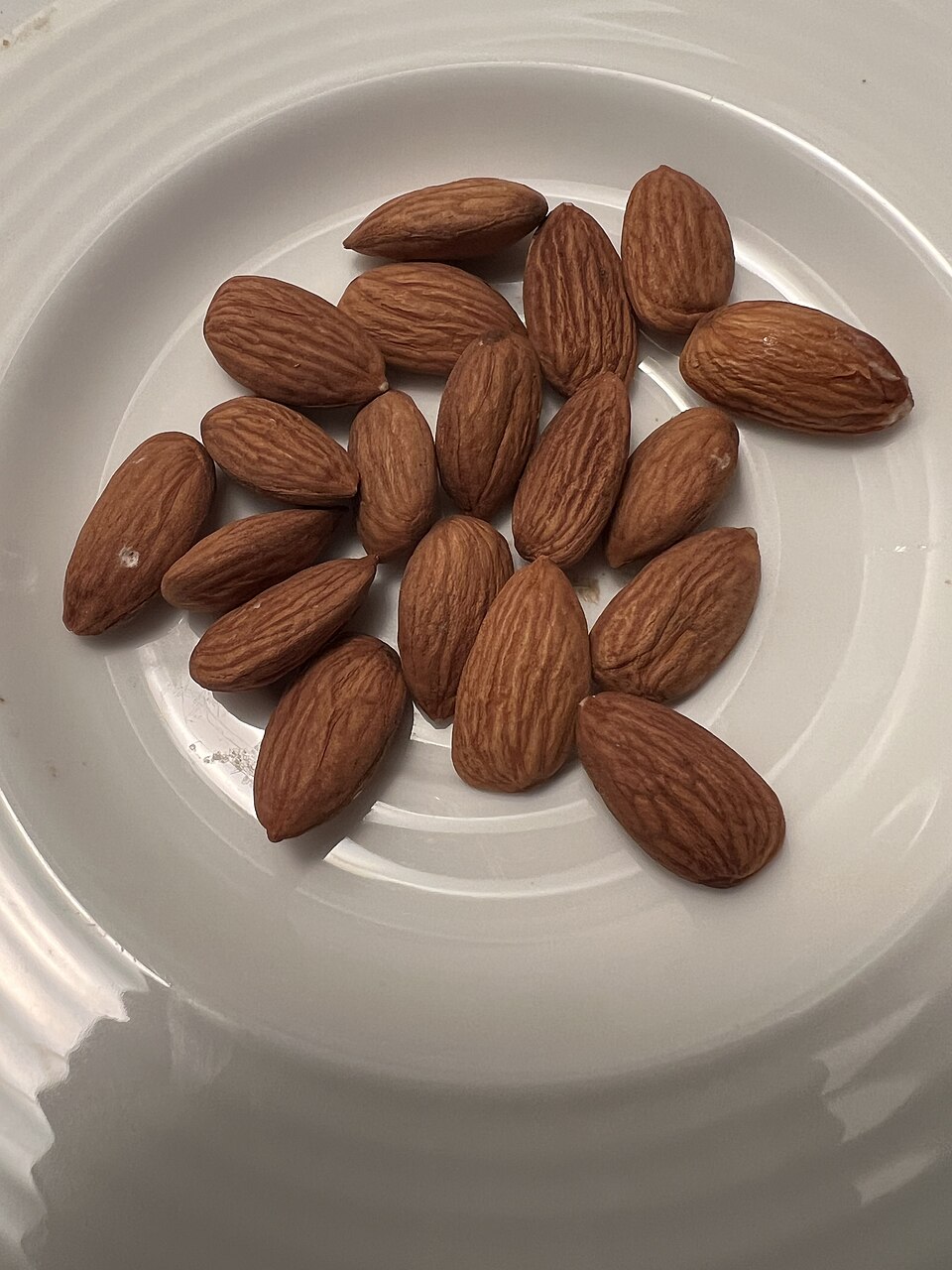
The claim: in South Asia, almonds are the brain food — "badam khao, dimagh tez hoga." Soaked overnight, peeled in the morning, fed to children before school and exams. Grandmothers in Lahore and Delhi have run this ritual for generations, and Unani and Ayurvedic texts praised badam for the mind centuries before neuroscience existed. Then the modern wellness industry arrived, put almonds on every "superfood" list, and turned a desi tradition into a global marketing story. Billions of dollars of almond marketing now ride on the same promise your dadi made. So the question is fair — and bigger than nostalgia: does the badam actually live up to the legend, or are we paying premium prices for a comforting myth?
To answer honestly, we have to separate three different questions that usually get mashed together: what almonds contain, what they've been proven to do for the brain specifically, and what they're genuinely excellent for. The answers are very different — and the last one is the reason almonds still deserve a place in your kitchen.
What's actually in a handful
A standard serving — 28 grams, roughly 23 almonds, one small handful — is one of the most nutrient-dense snacks that exists. Here's the full picture, not just the highlights:
- 164 calories, 6g protein, 3.5g fibre, 14g fat — of which about 9g is heart-friendly monounsaturated fat (the same kind praised in olive oil).
- Vitamin E: 7.7mg — about 50% of your daily need. Almonds are the richest common food source of vitamin E, and this is the nutrient behind most of the brain claims. We'll come back to it.
- Magnesium: ~77mg (~20% of daily need) — important for nerves, muscles, blood pressure and blood-sugar control. Most South Asian diets run low on it.
- Manganese, riboflavin (B2), phosphorus and copper in meaningful amounts, plus plant sterols that help block cholesterol absorption.
- Polyphenols concentrated in the brown skin — the part people peel off and throw away (more on that mistake later).
Compare that to most snacks: a packet of chips gives you similar calories with almost none of this. On pure nutrition-per-bite, the tradition is solid. But nutrients on a label are not the same as effects in a human body — so let's look at what trials actually found.
The brain claim, examined
Here's the honest answer, stated plainly: no clinical trial has shown that eating almonds makes healthy people smarter, sharper, or better at exams. Not in students, not in adults, not in children. The studies that would prove it — giving one group almonds and another a placebo snack for months, then testing memory and attention — show, at best, tiny or zero differences in healthy, well-fed people. If you're hoping a handful of badam before a paper will boost your marks, the effect is essentially folklore.
So where did the reputation come from? It has a plausible scientific root, and it's worth understanding rather than just dismissing:
- The vitamin E connection. The brain is highly vulnerable to oxidative damage — it uses a fifth of the body's oxygen, and its fats oxidise easily. Vitamin E is the body's main fat-soluble antioxidant, and observational research has repeatedly linked low vitamin E intake with faster cognitive decline in older adults. Almonds are the richest common source. The logic chain — almonds → vitamin E → protected ageing brain — is reasonable. But a plausible mechanism is not proof, and the direct trials on almonds and cognition remain thin.
- The Mediterranean-diet trials. Large, well-known dietary trials found that a Mediterranean-style diet supplemented with mixed nuts slowed cognitive decline in older adults. This is real evidence — but it's evidence for a whole dietary pattern (olive oil, fish, vegetables, nuts together), not for almonds specifically. Crediting the badam alone is like crediting one player for the team's win.
- Observational links. Big population studies find that regular nut-eaters tend to score slightly better on cognitive tests. But nut-eaters also tend to be wealthier, better educated, and healthier overall — exactly the confounders that make "people who eat X are smarter" claims unreliable.
The fair summary: almonds are a genuinely brain-supportive food as part of a good diet, especially for older adults whose diets are low in vitamin E. They are not a brain booster. The tradition got the direction right and the magnitude wrong.
Memory, ageing and Alzheimer's — what can almonds actually do?
This is where marketing most overreaches, so let's be precise. There is no good evidence that almonds prevent Alzheimer's disease or reverse memory loss. Anyone selling almonds — or almond oil, or badam rogan — as dementia protection is selling hope, not science.
What is reasonable to say: the dietary patterns most consistently linked to slower cognitive ageing (like the MIND diet, designed specifically for brain health) all include nuts as a regular component. Vitamin E from food — as opposed to high-dose vitamin E supplements, which trials suggest can be useless or even harmful at high doses — is associated with better cognitive ageing. Almonds happen to be the most practical way to get food-based vitamin E into a South Asian diet.
There's also a secondary pathway people miss: much of late-life cognitive decline is driven by vascular damage — the same clogged-artery processes behind heart disease and stroke. Anything that genuinely protects blood vessels (and almonds do — see below) indirectly protects the brain they supply. So the brain benefit of almonds is probably real but indirect: healthy heart, healthy vessels, healthier ageing brain. Just don't expect a sharper memory next week.
What almonds are genuinely proven for
Strip away the brain hype and almonds remain one of the best-studied, most beneficial foods in nutrition science. Here's what the evidence actually supports, claim by claim:
- Heart health — strong evidence. Large population studies link regular nut-eating to roughly 20–30% lower heart-disease risk. More importantly, controlled trials of almonds specifically show LDL ("bad") cholesterol drops of about 5–10% when almonds replace less healthy snacks. The monounsaturated fats, fibre, plant sterols and vitamin E all pull in the same direction. This is almonds' best-proven benefit.
- Blood sugar — good evidence. In trials, eating almonds with a meal blunts the post-meal blood-sugar spike — the fibre, fat and protein slow carbohydrate absorption. For diabetics and pre-diabetics, a handful of almonds as a snack or alongside carbs is one of the simplest, cheapest glucose-control tools available.
- Weight — surprisingly good evidence. Yes, almonds are calorie-dense. Yet trial after trial finds nut-eaters don't gain more weight than non-eaters — and sometimes lose more on diets. Three reasons: the protein, fibre and hard chewing make them very filling; around 10–15% of the fat passes through undigested (your body can't fully break down every almond cell); and people unconsciously eat a little less later. Calories on the label overstate calories absorbed.
- Gut health — emerging but real. Almond fibre and skins feed beneficial gut bacteria — a genuine prebiotic effect shown in feeding trials, with increases in butyrate-producing bacteria linked to gut and immune health.
- Blood pressure — modest evidence. The magnesium (and potassium) in almonds contributes to the small blood-pressure reductions seen in nut-feeding trials — typically a few points, meaningful at population level.
Notice what this list doesn't contain: exam performance. Almonds are a superb health food whose brain reputation is mostly borrowed glory from vitamin E.
Soaked vs raw — does it matter?
The desi tradition says: soak overnight, peel in the morning, eat on an empty stomach. The stated logic is that soaking removes "heat" and makes nutrients absorbable. What's the science?
- Soaking does soften almonds and may slightly improve digestibility for sensitive stomachs. The skin contains tannins and phytic acid that can mildly inhibit mineral absorption.
- But peeling removes the polyphenol-rich skin — the part with most of the antioxidants. From a pure nutrition standpoint, unpeeled almonds are arguably better. The tradition optimises for digestibility and texture, not maximum nutrients.
- No trial shows soaked almonds outperform raw ones for any health outcome — heart, blood sugar, or brain. The differences are small either way.
So: if you like them soaked and peeled, continue — it's a pleasant ritual and does no harm. If you prefer raw and unpeeled, you're keeping the antioxidants and missing almost nothing. The one version to be cautious about is heavily salted, honey-glazed or chocolate-coated almonds, where the coating undoes the benefits.
Almonds vs walnuts vs peanuts — which nut wins?
| Nut (per 28g) | Standout strength | Honest weakness |
|---|---|---|
| Almonds | Vitamin E (50% daily), magnesium | Expensive; no omega-3s to speak of |
| Walnuts | Omega-3 ALA (~2.5g) — the only nut rich in it; ironically the best-evidenced "brain" nut | Go rancid faster; strong taste |
| Peanuts | Cheapest; most protein (~7g); similar heart benefits | Technically a legume; often sold salted/fried |
| Cashews | Creamy, versatile; decent iron and zinc | Lower fibre; easy to overeat |
The honest hierarchy: if brain health is truly your goal, walnuts have the stronger case (omega-3s are the nutrient with the most direct brain evidence). If vitamin E and general health are the goal, almonds win. But the biggest finding in nut research is that mixed nuts beat any single nut — variety covers more nutrients. A small mixed handful is the smartest habit, and peanuts make it affordable.
How to eat them right
- How many: one handful — 20 to 25 almonds (28g) daily. That's the dose used in most trials. Double it and you're adding 160+ calories without extra benefit.
- When: as a mid-morning or evening snack, or alongside a carb-heavy meal to blunt the glucose spike. For children, with breakfast works — but pair with actual study, not instead of it.
- Best forms: raw or lightly dry-roasted. Almond butter is fine if it's just almonds (check for added sugar and palm oil). Almond milk from a carton is mostly water — don't confuse it with almonds.
- Storage matters: the healthy fats in almonds go rancid. Buy in small quantities, keep them airtight, and refrigerate if you won't finish them in a few weeks. Rancid nuts lose benefits and taste bitter.
- Make them stick: keep a small jar visible in the kitchen. The healthiest snack is the one you actually reach for instead of the biscuit tin.
Who should be careful
- Nut allergies: tree-nut allergy is common and can be severe. If you or your child has never had almonds, try a tiny amount first and watch for reactions. This is the one hard stop.
- Kidney stones: almonds are high in oxalates. For most people this is irrelevant, but if you form calcium-oxalate stones, keep portions moderate and drink water with them.
- Calories add up silently: "healthy" doesn't mean unlimited. Mindless eating from a big bag can quietly add 400–500 calories. Portion the handful, then close the jar.
- Small children: whole almonds are a choking hazard under age 4–5. Use almond powder or butter for toddlers instead.
- Bitter almonds: the wild "bitter" variety contains compounds that release cyanide and are genuinely dangerous raw. The sweet almonds sold in every market are a different variety and perfectly safe — just don't forage unknown almonds.
Quick questions
How many almonds per day?
A handful — about 20–25 (28g), the dose used in most trials. More than that and the calories add up without extra benefit.
Are roasted almonds as healthy?
Nearly — light dry-roasting preserves most nutrients. Avoid heavily salted, honey-coated or chocolate-covered versions, and skip anything fried in oil.
Almonds vs walnuts — which is better for the brain?
Walnuts, slightly: they're the only common nut rich in omega-3 ALA, the nutrient with the most direct brain evidence. Almonds win on vitamin E. A mix of both is the smartest choice.
Should I soak and peel almonds?
It's optional. Soaking softens them and may aid digestion slightly, but peeling removes the antioxidant-rich skin and no trial shows soaked beats raw. Eat them whichever way you'll actually eat daily.
Do almonds help children study better?
Not directly — no trial shows a memory or exam boost. They do make an excellent breakfast addition: protein and healthy fats keep a child full and steady through the morning, which beats a sugary breakfast for concentration.
Can almonds help with diabetes?
Yes — this is well supported. Eating almonds with meals blunts post-meal blood-sugar spikes, and their magnesium supports glucose metabolism. They're one of the best snacks for diabetics.
Will almonds make me gain weight?
Unlikely at one handful a day — trials consistently show nut-eaters don't gain extra weight, thanks to satiety and incomplete fat absorption. Overeating from the bag is the real risk, not the almonds themselves.
Is almond oil (badam rogan) good for memory?
There's no clinical evidence for memory benefits from almond oil, taken or applied. It's a pleasant traditional remedy, but the proven benefits of almonds come from eating the whole nut — fibre, skin polyphenols and all.